On this page
Colombia's diverse climates mean the 'best time' to visit depends on your itinerary and preferences. Discover how to plan your journey across its varied landscapes.
Cartagena can feel sun-soaked and breezy in one month, then humid and rain-streaked the next. Bogotá may serve up crisp blue mornings year-round, while the Coffee Region shifts between green-season drama and harvest-time charm. That is why the best time to visit Colombia is rarely one single month – it depends on where you are going, what kind of trip you want, and how much flexibility you have.
Colombia is a year-round destination, but not in the simplistic sense. Its climate is shaped more by altitude and region than by the classic four-season model many travelers expect. You can pair warm Caribbean coast days with cool Andean evenings on the same itinerary, and that changes how you should plan. For travelers investing in a private, multi-stop journey, timing matters less as a blanket rule and more as a route strategy.
The Best Time to Visit Colombia Depends on Your Itinerary
The first planning mistake many travelers make is treating Colombia as one climate zone. It is not. Beaches, colonial cities, mountain capitals, jungle lodges, and coffee haciendas all follow different weather patterns. The best time to visit Colombia for a honeymoon in Cartagena and Barú is not necessarily the best time for birding in the Sierra Nevada or hiking in the Cocora Valley.
For most travelers, December through March is the easiest window. These months tend to bring drier conditions to much of the country, especially in the Andes and Caribbean, which makes them ideal for first-time visitors combining Bogotá, Medellín, Cartagena, and the Coffee Region. You get stronger odds of clear travel days, smoother road conditions in rural areas, and more consistently sunny beach time.
That said, this is also a popular period for both international travel and domestic holiday movement. Hotels in standout destinations can book far in advance, and the atmosphere in cities like Cartagena is livelier, busier, and more premium-priced. If you value a quieter pace over peak weather, shoulder months often offer better balance.
Understanding Colombia's Travel Seasons
Rather than four traditional seasons, Colombia is better understood through dry and rainy periods, layered onto altitude. In practical terms, there are two broad dry windows that work well for many routes: roughly December to March, and then July to August. There are also wetter stretches, commonly April to June and September to November, though this varies by region.
Rain in Colombia does not always mean all-day washouts. In many destinations, especially in the Andes, showers arrive in the afternoon while mornings stay clear enough for touring. This matters if you are planning with a private guide and driver, because schedules can be adjusted intelligently around local conditions. A rainy month is not automatically a bad month – it may simply require better route design.
Dry Season Advantages
The drier months are best for travelers who want easier transfers, cleaner mountain views, and more predictable outdoor touring. This is when city-and-nature combinations tend to feel most comfortable. It is also a strong choice for families and first-time visitors who want fewer weather variables.
Rainy Season Trade-offs
Greener landscapes, fewer crowds in some destinations, and occasional rate advantages can make the rainy periods attractive. The trade-off is unpredictability. If your trip centers on flexible cultural touring, that is manageable. If it depends on beach days, scenic hiking, or remote logistics, timing becomes more important.
Best Time to Visit Colombia by Region
Caribbean Coast: Cartagena, Santa Marta, Tayrona
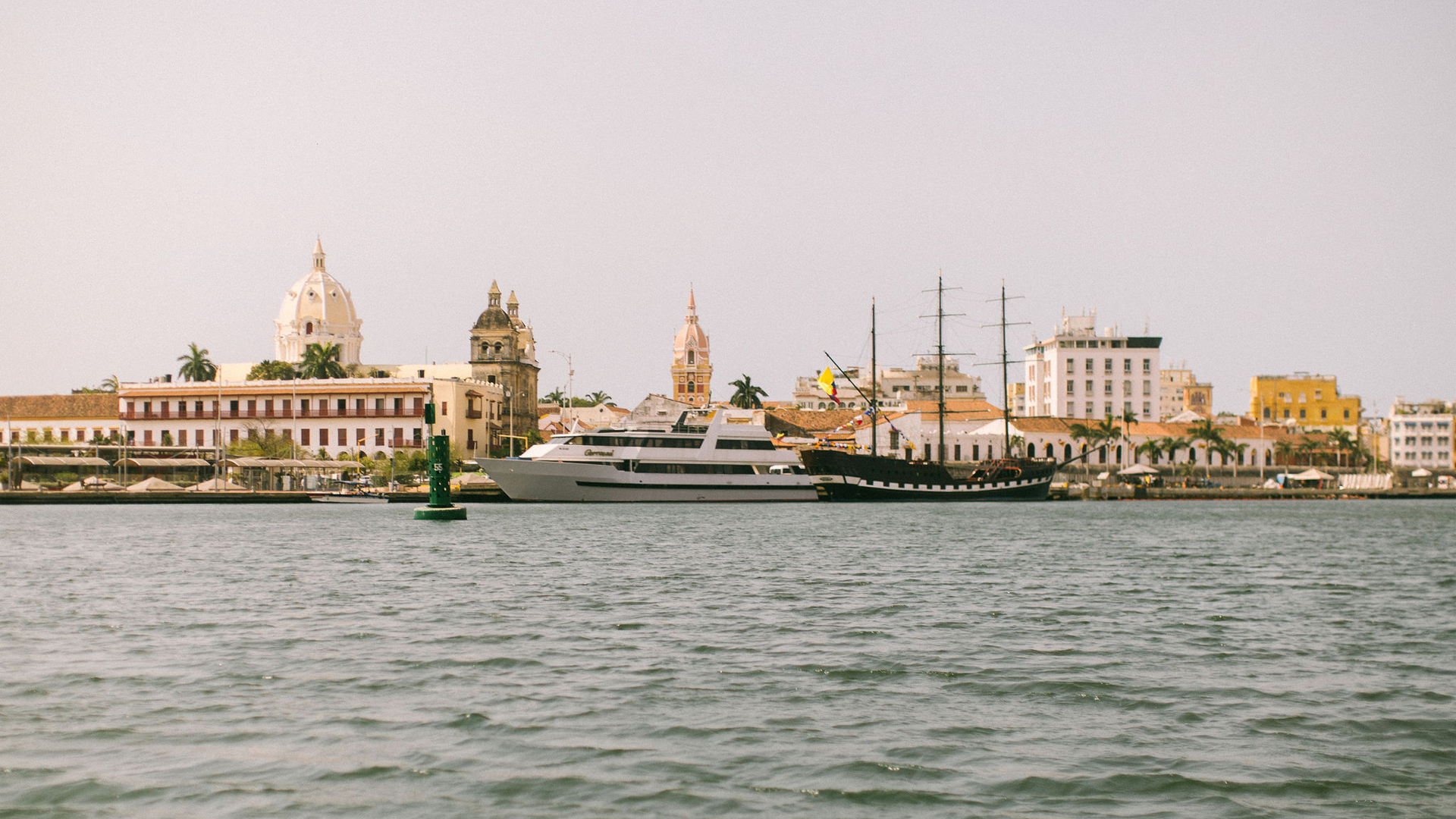
The Caribbean coast is usually at its best from December through April. This is the classic sun-and-sea period, with lower rainfall and stronger conditions for beach stays, island escapes, and coastal touring. Cartagena is warm year-round, but these months are typically more comfortable for long walking tours in the walled city and for pairing the city with Barú or Rosario Islands.
September and October are usually wetter on the Caribbean coast, especially around Cartagena. Travel is still possible, but beach-focused itineraries can feel less reliable. If your priority is a polished coastal vacation with minimal weather risk, winter and early spring are the safer choice.
For Santa Marta and Tayrona, timing also matters because sea conditions and park access can affect the experience. January through March often delivers the best overall balance. Travelers looking for luxury beach time with cultural stops should generally avoid building a high-stakes coastal trip around the wettest fall weeks.
Bogotá and the Andes
Bogotá is mild to cool year-round because of its altitude, but drier months make a difference. December to March and July to August are generally best for clear mornings, easier city touring, and day trips to places such as Zipaquirá or Villa de Leyva. In rainy stretches, the city still works well, but outdoor visits and driving times can become less pleasant.
The same pattern applies broadly across the Andean corridor. Medellín, despite its spring-like reputation, also sees wetter and drier periods. December through March is often a very comfortable time to visit, especially if you are combining the city with Guatapé or nearby countryside stays.
Coffee Region
The Coffee Region is one of Colombia's most rewarding destinations, but it deserves realistic expectations. It is lush for a reason. Rain is common throughout the year, and even in drier months you should expect some showers. Still, December to March and July to August tend to offer the best conditions for hacienda stays, scenic drives, and walks in the Cocora Valley.
If your trip is built around landscapes, horseback riding, and private cultural touring, these windows are the safest choice. April, May, October, and November can still be beautiful, but cloud cover and rain may limit views and outdoor time. For travelers planning a special occasion trip, this is one region where smart timing noticeably improves the experience.
Pacific Coast and Whale Season
Colombia's Pacific is different from the rest of the country. It is one of the wettest areas in the world, and travelers go for nature, not guaranteed sunshine. If humpback whales are your priority, the best timing is generally July through October. That period can be excellent for wildlife-focused travel, even though rain is part of the experience.
This is a region where expectations matter. You are trading classic resort weather for biodiversity, dramatic coastline, and rare marine encounters. For the right traveler, that is absolutely worth it.
Amazon and Los Llanos
The Amazon can be visited year-round, but water levels shape the experience. High-water months often make canoe access easier and open up flooded forest exploration, while lower-water periods can favor hiking and different wildlife patterns. The best timing depends on what kind of Amazon experience you want, rather than on a single ideal season.
Los Llanos, Colombia's eastern plains, are outstanding for wildlife and are often strongest in the drier months, roughly December through March. This is when safari-style exploration is generally easier and more comfortable.
When to Visit for Specific Travel Styles
If you are planning a honeymoon or premium leisure trip, January through March is one of the strongest windows. You can combine Cartagena, the Coffee Region, and Medellín with a high degree of weather confidence and strong hotel availability if booked early enough.
For families, school calendars often make summer the practical choice. July and early August can work very well, particularly for Bogotá, Medellín, and the Coffee Region. It is not as universally dry as January or February, but it is often a smart compromise.
For cultural travelers who care more about private access, pacing, and curated experiences than perfect beach weather, shoulder seasons can be excellent. A well-operated trip in May or November can still feel smooth and rewarding, especially when logistics, guides, and accommodations are coordinated locally with care.
So, What is the Best Time to Visit Colombia?
For a classic first trip, December through March is usually the strongest answer. It gives you the best odds across the country's most requested regions and supports the kind of multi-destination itinerary many international travelers want.
But the real answer is more precise than that. The best time to visit Colombia is when your chosen regions, travel style, and comfort priorities align. A beach-forward winter escape, a summer family itinerary, a whale-watching journey, and a coffee-and-culture trip all have different sweet spots. That is why thoughtful planning matters so much in Colombia. The country rewards travelers who match the season to the route, not just the destination to a map.
If you want your trip to feel easy from arrival to departure, build around the experience you want first, then let timing refine the itinerary. Our concierge logistics ensure a seamless journey, no matter the season.

From $70 USD
Monserrate Hill

From $110 USD
Bogotá Urban Tour
From $40 USD
La Candelaria & Historic District

From $90 USD
Salt Cathedral of Zipaquirá
FAQ
Frequently asked questions
Custom itinerary
Design your private Bogotá itinerary
Tell us what you want to experience. We reply within 12h with a tailored proposal.