On this page
Understanding Leave No Trace isn't about rigid rules, but about cultivating awareness and making conscious choices to preserve the natural beauty we cherish. This guide offers practical insights for travelers seeking to minimize their impact.
The muddy boot print looks small until a whole group follows it. Then a shortcut becomes a scar across a hillside, a quiet riverbank turns into a lunch spot full of wrappers, and wildlife starts changing its behavior around people. That is why a beginner guide to Leave No Trace matters. It is not about hiking like a purist or traveling with a rulebook in hand. It is about learning a few practical habits that protect the places you came to enjoy.
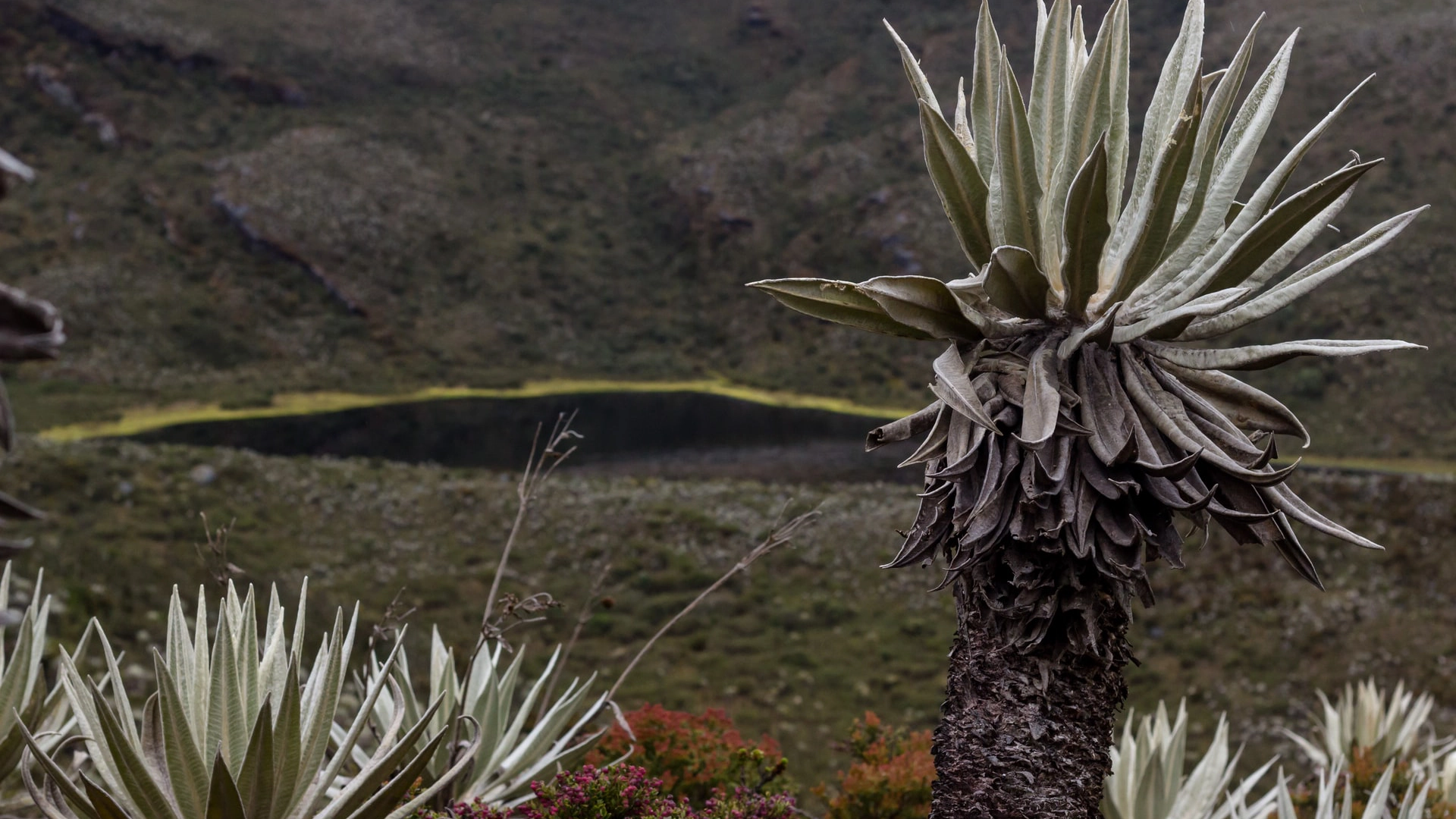
For travelers exploring Colombia or anywhere else with sensitive natural areas, Leave No Trace is especially useful because many of the most rewarding experiences happen outdoors - cloud forest walks, páramo landscapes, coastal trails, jungle lodges, and remote viewpoints reached with local guides. These environments can look vast and resilient, but many are surprisingly fragile. A simple decision about where you step, what you carry, or how much noise you make can have a bigger impact than you think.
A beginner guide to Leave No Trace starts with this mindset
Leave No Trace is often described through seven principles, but the deeper idea is simpler: travel in a way that keeps your presence from degrading the place for wildlife, local communities, and future visitors. It is a field standard for responsible recreation, not a trend. And while the phrase sounds strict, it is really about awareness and judgment.
There is also a useful reality check here. You will not literally leave no trace. If you arrive by vehicle, sleep in a lodge, or walk a trail, you have an impact. The goal is to reduce unnecessary damage, not chase perfection. For most first-time travelers, that shift in thinking makes the concept feel more manageable and more honest.
Plan ahead so small mistakes do not compound
Most environmental mistakes happen before anyone sets foot on a trail. People pack the wrong gear, underestimate conditions, bring food that creates waste, or head into areas without understanding local rules. Good planning lowers the odds that you will need to improvise in ways that harm the environment.
Start by learning what kind of place you are visiting. A well-established national park with marked routes can handle visitors differently than a privately protected reserve or a high-altitude ecosystem with delicate vegetation. Ask what facilities exist, whether restrooms are available, if refillable water is practical, and whether there are restrictions on drones, speakers, campfires, or swimming.
This is one reason professionally operated private travel has value. When logistics are coordinated by people who know the area, travelers are less likely to make preventable mistakes such as showing up underprepared, wandering off-route, or carrying items that are not appropriate for the site. Good planning is not just convenient. It is part of responsible access.
Pack for low impact, not just comfort
A few gear choices make a real difference. Bring a reusable water bottle, a dry bag or pouch for trash, reef-safe sun protection when relevant, and layers that help you avoid emergency purchases or disposable rain gear. If snacks are coming with you, remove excess packaging before the trip when possible.
Comfort still matters, especially on multi-day travel. But low-impact packing usually aligns with smooth travel anyway. Fewer single-use items mean less clutter, less waste to manage, and fewer chances of something blowing away on a windy overlook or river crossing.
Stay on the trail, even when the shortcut looks harmless
One of the easiest mistakes beginners make is stepping off-trail for a photo, a rest stop, or a faster route back. In many landscapes, especially high-altitude grasslands, dunes, wetlands, and tropical hillsides, repeated foot traffic kills vegetation and accelerates erosion. What looks like one harmless detour can become a visible social trail within weeks.
If a trail is muddy, walk through the mud instead of around it when it is safe to do so. Going around often widens the trail and damages surrounding plants. If a viewpoint is busy, wait your turn rather than creating a new standing area. If your guide asks the group to stay within a defined zone, that instruction is usually based on local conditions, not formality.
This principle can feel counterintuitive because travelers often assume open nature means freedom of movement. In reality, staying on durable surfaces is one of the most effective ways to protect a place without reducing your experience.
Dispose of waste the right way
This sounds obvious until you are far from a trash can. Then fruit peels, tissues, wet wipes, and food scraps start to seem harmless. They are not. Organic waste attracts animals, changes feeding patterns, and can introduce non-native material. Tissues and wipes linger much longer than people expect, even when labeled biodegradable.
Pack out everything you brought in. That includes snack wrappers, cigarette butts, sanitary products, and leftover food. If restrooms are not available, follow local guidance for human waste, because the right practice depends on the terrain, water sources, and management rules. In some places, burying waste is acceptable. In others, packing it out is the correct standard.
A good rule for beginners is simple: if you are not certain a disposal method is appropriate for that location, ask before you go.
Leave what you find, including the beautiful small things
Travelers are often careful about not littering but less careful about collecting. Stones, shells, flowers, seeds, feathers, and fragments of pottery or coral may seem insignificant one at a time. Across thousands of visitors, they are not. Removing natural or cultural objects slowly erodes the character of a site.
The same applies to carving names, stacking rocks for photos, or moving natural materials to improve a picnic spot. These actions are often framed as harmless creativity. On the ground, they can disturb habitats, damage heritage, and encourage copycat behavior.
Take the photo. Keep the memory. Let the place keep its details.
Wildlife needs distance more than admiration
Seeing wildlife is often a highlight of a trip, but close encounters are not always a good sign. Animals that tolerate people too easily may be stressed, conditioned by food, or displaced from normal behavior. Feeding wildlife is the clearest example of a bad idea, but crowding, calling out, and pursuing animals for a better shot can be just as disruptive.
Use your camera zoom instead of your feet. Keep voices low. If an animal changes direction, freezes, vocalizes, or appears agitated, you are too close. Around nesting areas, shorelines, and forest habitats, even brief disturbance can matter.
This is where guided travel can improve outcomes. A bilingual local guide who understands species behavior and site-specific rules can help guests enjoy wildlife responsibly rather than accidentally pressure it.
Be careful with fire, noise, and your group footprint
Not every impact is visible. Noise changes how a place feels and can affect both wildlife and other travelers. Portable speakers, shouting across viewpoints, and loud phone calls may not leave physical damage, but they still alter the environment.
Fire is another area where beginners sometimes misjudge risk. In some destinations, campfires are prohibited for good reason - wind, dry conditions, soil damage, or limited firewood. Even where fires are allowed, they are not always the best choice. A stove is usually lower impact and more predictable.
Group size also matters. A private journey can still be low impact, but only if the pace, route management, and site selection are handled carefully. Smaller, well-managed groups generally create less noise, less crowding, and less pressure on fragile areas.
Respect local communities as part of Leave No Trace
A strong beginner guide to Leave No Trace should go beyond wilderness etiquette. In real travel, natural areas are often linked to farms, Indigenous territories, rural villages, protected lands, and privately managed reserves. Respecting place means respecting the people connected to it.
That includes asking before photographing individuals, following access rules, staying out of restricted areas, and buying from local operators or artisans when appropriate. It also means understanding that not every scenic area is a public playground. Some landscapes that feel remote are working lands or culturally significant spaces.
Responsible travel is not only about reducing physical trace. It is about moving through a destination with humility and awareness.
What beginners usually get wrong
The most common mistake is treating Leave No Trace as a checklist instead of a decision-making framework. Conditions change. A practice that is acceptable on a developed trail may not be appropriate in a high mountain ecosystem or coastal nesting zone. The principle stays the same, but the application depends on context.
The second mistake is assuming good intentions are enough. They help, but they do not replace local knowledge. If you are visiting a destination with varied climates, protected areas, and regional regulations, ask questions. At Green Trails, this kind of operational detail matters because responsible travel is easier when guests receive clear, site-specific guidance before and during the trip.
The best version of Leave No Trace is not performative. It is quiet, prepared, and consistent. Bring less disposable stuff. Stay where you are supposed to be. Keep your distance from wildlife. Carry your waste out. Notice the difference between access and entitlement. If you travel that way, the places that impressed you most have a better chance of staying that way for the next person too.
From $80 USD
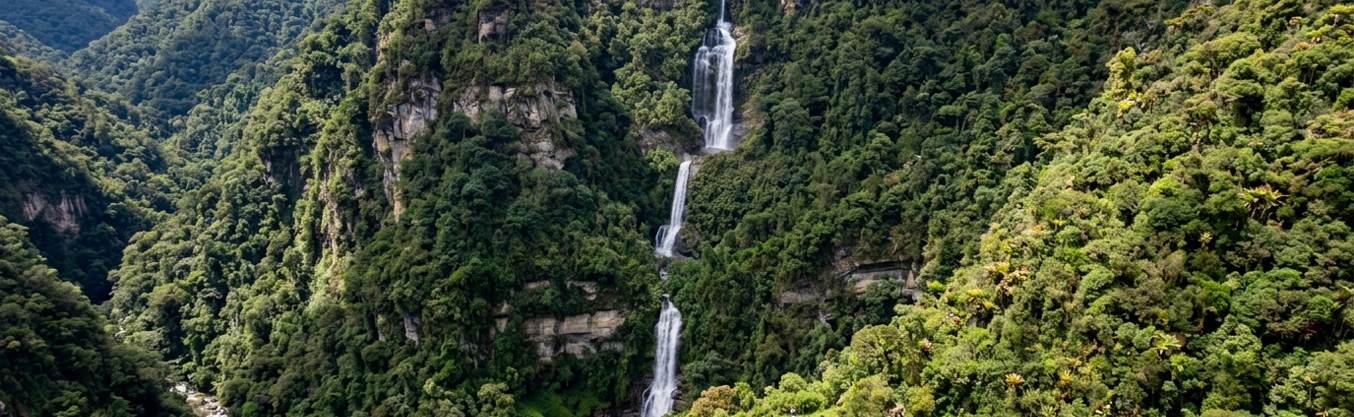
La Chorrera Waterfall
From $60 USD
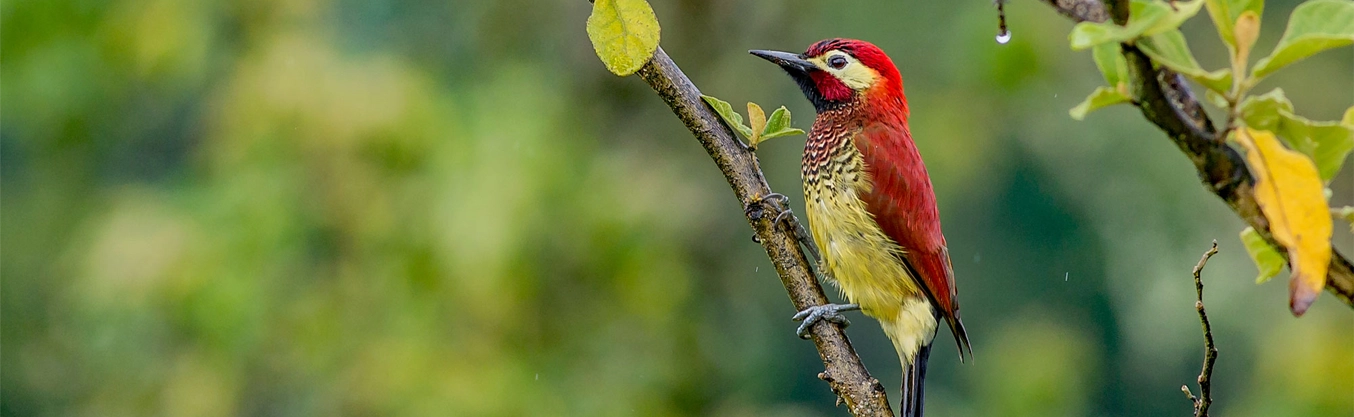
Chicaque Cloud Forest
From $50 USD
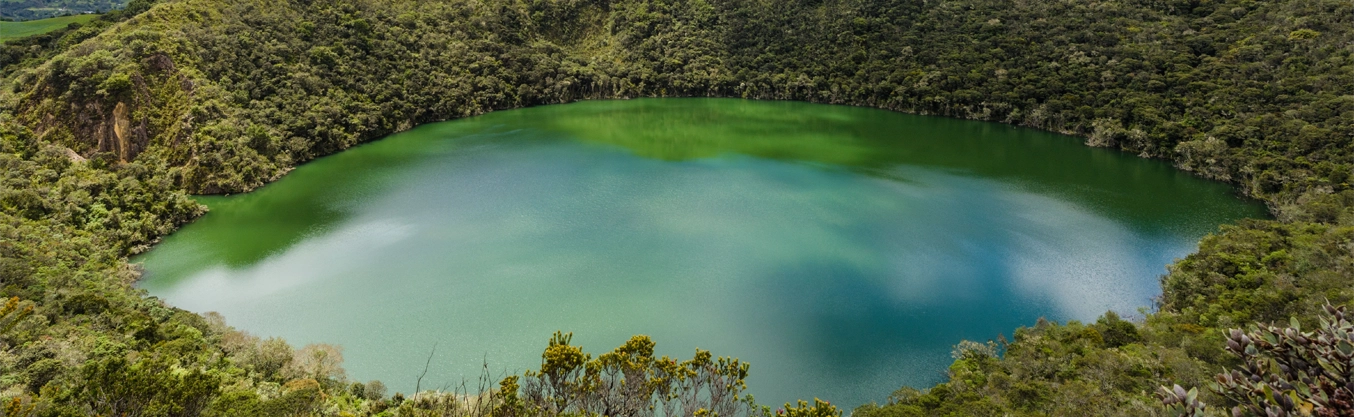
Tour to Guatavita
FAQ
Frequently asked questions
Custom itinerary
Design your private Bogotá itinerary
Tell us what you want to experience. We reply within 12h with a tailored proposal.