On this page
A practical guide to Colombian food in Bogotá: the city's own dishes, regional classics, tropical fruits and how locals eat them, and where to try it all.
Bogotá sits at 2,640 metres in the Andes, and its food reflects that altitude: potatoes, corn, dairy, slow-cooked soups and warm cheese breads. At the same time, the city is a crossroads for the whole country, so on a single street you can find a highland soup, a dish from the coffee-growing Antioquia region and a Caribbean fried fish. Add the fruit stalls, which bring in produce from every climate in Colombia, and working out what to eat in Bogotá can feel like a lesson in national geography.
This guide sorts it out: which Colombian dishes are true Bogotá specialities, which ones come from other regions, which tropical fruits to look for and how locals eat them, and where to try everything, from a market stall to a private table.
Bogotá specialities vs. dishes from the rest of Colombia
Colombian food is intensely regional. Every part of the country has its own staples, and Bogotá's restaurants serve many of them. A quick rule of thumb helps when you read a menu:
- Highland ingredients (several kinds of potato, corn, fresh cheese, milk, herbs such as guascas) usually point to Bogotá and the surrounding Cundinamarca and Boyacá highlands.
- Plantain, coconut, seafood and tropical heat usually point to the Caribbean or Pacific coasts and the lowlands.
- Beans, pork and big combination plates often point to Antioquia and the coffee-growing regions.
None of this makes a regional dish less worth eating in Bogotá. It simply helps you know whether you are tasting the city's own cooking or a version of a dish that is at its best somewhere else.
Ajiaco: Bogotá's signature dish
If you eat one dish in Bogotá, make it ajiaco santafereño, the chicken and potato soup that the city considers its own. It is a thick, comforting bowl built on three kinds of potato:
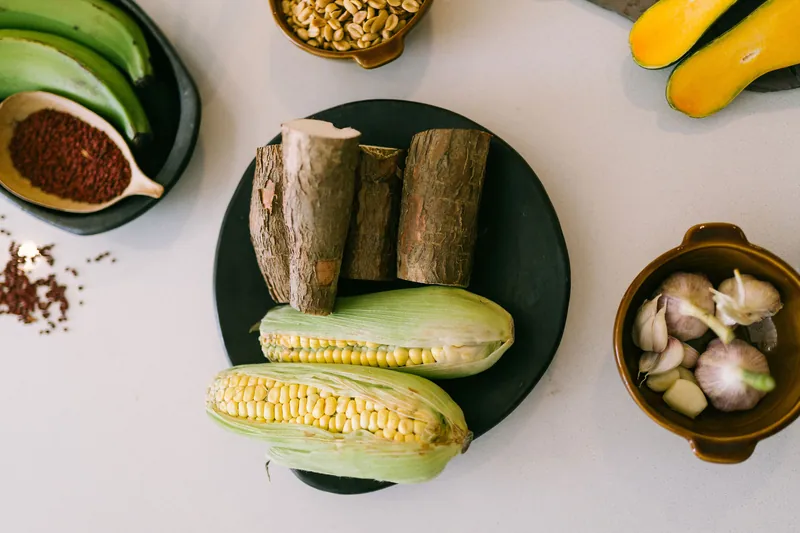
- Papa criolla, a small yellow potato that breaks down and thickens the soup.
- Papa sabanera and papa pastusa, firmer potatoes that keep some of their shape.
- Guascas, an Andean herb that gives ajiaco its distinctive, slightly grassy flavour.
Shredded chicken and pieces of corn on the cob go into the pot, and the soup reaches the table with capers, cream and avocado on the side, often with a small plate of white rice. Locals add the cream and capers themselves, a spoonful at a time. Ajiaco is a lunch dish: you will find it on menus at midday far more often than at dinner.
Other Bogotá classics worth ordering
- Sobrebarriga: flank steak cooked slowly until tender, usually served in a tomato and onion sauce with potatoes.
- Puchero santafereño: a generous boiled dinner of several meats with vegetables such as corn, potato and plantain, and a classic of old Bogotá cooking.
- Fritanga: a sharing platter of grilled and fried favourites such as chorizo, morcilla (blood sausage), chicharrón (crispy pork), papa criolla and arepa.
- Postre de natas: a traditional Bogotá dessert made from the skin that forms on simmered milk.
- Cuajada con melao: fresh, mild curd cheese with a syrup made from panela (unrefined cane sugar).
- Obleas: thin wafers sandwiched with arequipe (the Colombian dulce de leche), a classic street snack.
Breakfast, bakeries and the afternoon "onces"
Bogotá's breakfasts are warm and filling, made for cool highland mornings.
- Changua is a milk-based soup with a poached egg, spring onion and coriander, served with pieces of toasted bread to soak it up. It is a highland breakfast you rarely see outside this part of Colombia.
- Tamales wrapped in plantain leaves are a weekend favourite. The tamal tolimense, from the neighbouring Tolima region, is the best-known style, and it is usually eaten with a cup of hot chocolate.
- Chocolate santafereño is hot chocolate served with a slice of fresh cheese, which locals drop into the cup to soften, and a bread roll or almojábana on the side.
The neighbourhood panadería (bakery) is where many locals stop for breakfast or for onces, Bogotá's name for the mid-afternoon coffee or hot chocolate with something to eat. Look for:
- Almojábanas: soft, round breads made with corn flour and fresh cheese, best eaten warm.
- Pandebono and pan de yuca: chewy cheese breads made with cassava starch. Pandebono comes originally from the Valle del Cauca region, but every Bogotá bakery sells it.
- Buñuelos: golden fried balls of cheese dough, a Christmas favourite available all year.
- Roscón: a ring-shaped sweet bread, usually filled with guava paste.
- Arepas: corn cakes found all over Colombia. In the highlands you will often see the sweet, cheese-filled arepa boyacense from neighbouring Boyacá.
Order a tinto for a small black coffee. In Bogotá, a perico is a small coffee with milk; don't confuse it with huevos pericos, scrambled eggs with tomato and spring onion.
Regional Colombian dishes you will also find in Bogotá
Because people from every corner of Colombia live in the capital, many regional dishes are easy to find here. These are some of the best known, and where they come from:
- Bandeja paisa (Antioquia): a large platter with red beans, rice, ground meat, chicharrón, chorizo, a fried egg, ripe plantain, arepa and avocado.
- Lechona (Tolima): a whole roast pig stuffed with its own meat, yellow peas and spices, often served at celebrations. Versions from other regions add rice.
- Sancocho: a hearty soup made in several regions with chicken, fish or beef, plantain, cassava and corn.
- Fried fish with coconut rice and patacones (Caribbean coast): crisp whole fish served with rice cooked in coconut milk and flattened, twice-fried green plantain.
- Mote de queso (Caribbean region): a thick soup of yam and salty fresh cheese.
Tropical fruits in Colombia and how locals eat them
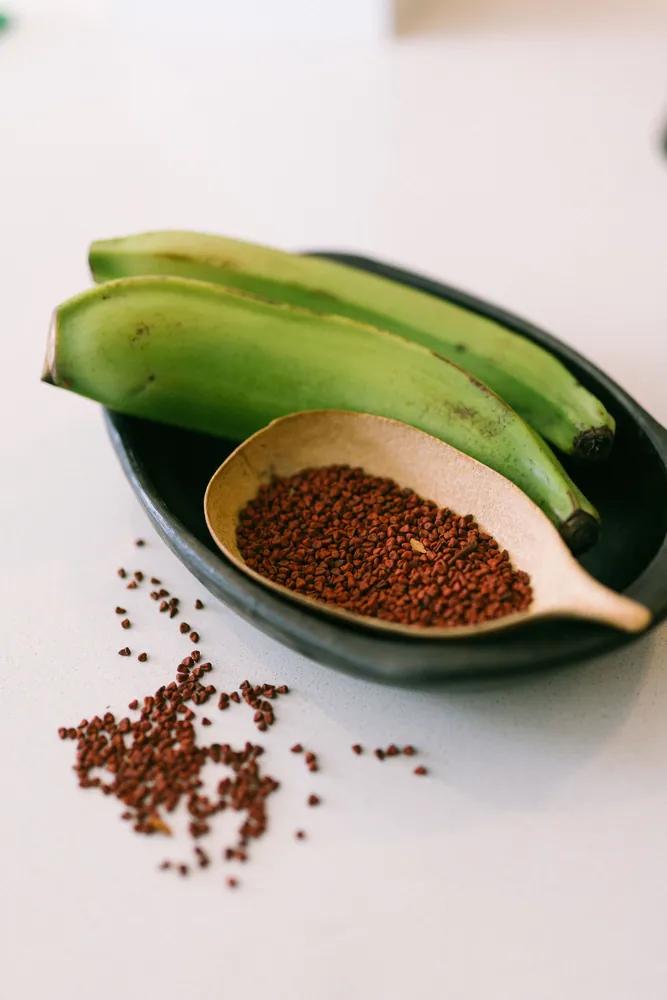
Colombia grows fruit in every climate, from the hot coasts to the cool Andes, and much of it reaches Bogotá's markets. Many of these fruits are rarely seen abroad, so this is one of the most rewarding parts of Colombian food to explore. Here is what to look for and how Colombians usually eat it:
- Lulo: a tart, green-fleshed fruit, most often blended into juice. In the Valle del Cauca region it is also made into lulada, crushed lulo with lime, sugar and ice.
- Maracuyá (passion fruit): intensely aromatic and sour, used for juice and desserts.
- Granadilla: a sweet relative of passion fruit. Crack the hard shell with your thumbs and eat the seeds and their jelly-like pulp with a spoon or straight from the shell.
- Uchuva (golden berry): small, sweet and tangy, eaten fresh, in jams or with cheese.
- Tomate de árbol (tamarillo): too tart for most people to eat raw, so it is usually blended into juice.
- Guanábana (soursop): creamy and sweet-sour, a favourite for juice made with milk.
- Pitahaya (yellow dragon fruit): cut in half and eat the white flesh with a spoon. It is known for its gentle laxative effect, so one is plenty to start with.
- Chontaduro: the fruit of a palm from the Pacific region, boiled and sold on the street with salt and sometimes honey.
- Mango biche: green mango cut into strips and eaten with salt and lime, a popular street snack.
Juice is part of almost every meal in Colombia. When you order one, expect the question "¿en agua o en leche?" (with water or with milk?). Lulo, maracuyá and tomate de árbol are usually ordered with water, while guanábana and mora (Andean blackberry) are often blended with milk. Juices tend to come sweetened, so ask for sin azúcar if you prefer them without sugar.
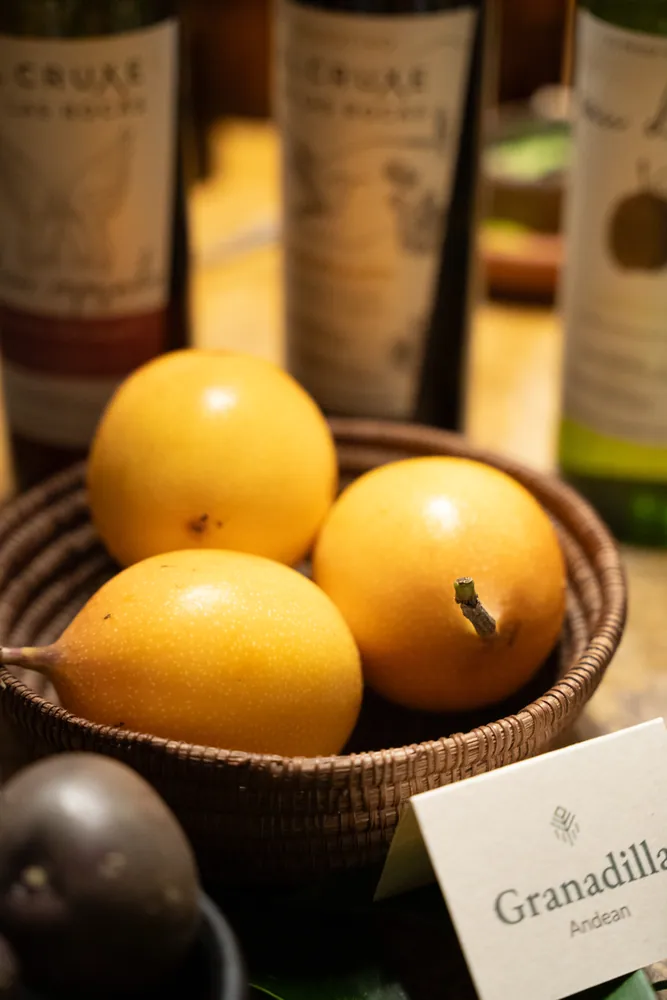
For a guided way to taste them, the Tropical Fruit Tasting is a private 2–3-hour experience in Bogotá in which a personal chef brings together fruits from different Colombian regions, introduces each one as it reaches the table and serves it in its own preparation. It is a good fit if you want to put names to the fruits you have seen at the market and understand where each one comes from.
Where to try Colombian food in Bogotá
Markets
A plaza de mercado (market hall) is the best introduction to Colombian produce. Paloquemao, the city's best-known market, has long aisles of fruit, vegetables, herbs and flowers, plus stalls serving cooked food. Go in the morning, when the market is at its liveliest, carry small notes and coins, and do not be shy about asking a fruit seller what something is. Vendors are often happy to tell you how a fruit is eaten.
Bakeries and cafés
For almojábanas, pandebono and chocolate santafereño, a busy neighbourhood bakery is often better than a polished café. The pastries come out of the oven throughout the day, and mid-afternoon onces is a good moment to join the locals.
Restaurants
Traditional restaurants serve ajiaco, sobrebarriga and the regional classics, mainly at lunch. At midday, many places also offer a set lunch, the almuerzo corriente or menú del día, usually a soup followed by a main course with rice, a protein, salad and plantain, plus a juice. It is how many people in Bogotá eat their main meal. In the evening, the city's contemporary restaurants reinterpret ingredients from across Colombia, and booking ahead is wise.
A private cooking class
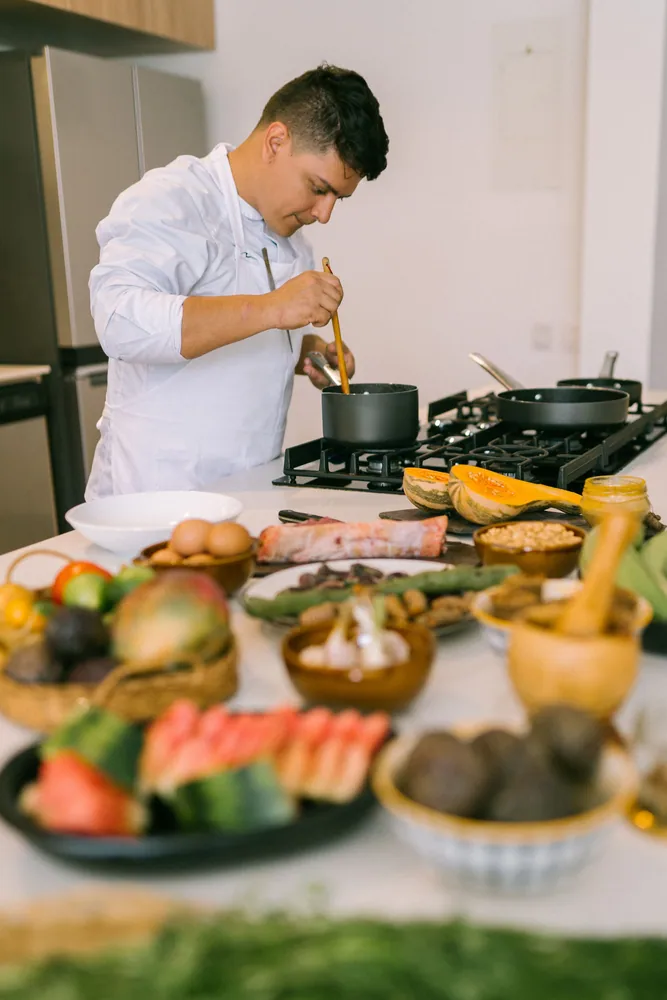
If you would rather understand the food than just eat it, cooking is the most hands-on way in. Culinary Heritage is our private 3–4-hour Colombian cooking class in Bogotá. A local chef shows your group the techniques behind Colombian cooking and how its multicultural heritage and biodiversity shape what ends up on the plate. You work through traditional preparations and amasijos, the dough-based specialities that also fill the bakery counter, and then sit down together to a typical Colombian lunch.
A private dinner
For an evening that brings the whole country to the table, Regional Treasures is a private 3–4-hour dinner in Bogotá. A personal chef serves a tasting menu built around ingredients and preparations from Colombia's regions, including produce from the Andean mountains, with wines paired with the meal. It is a natural follow-on once you know the difference between a Bogotá speciality and a dish from the coast.
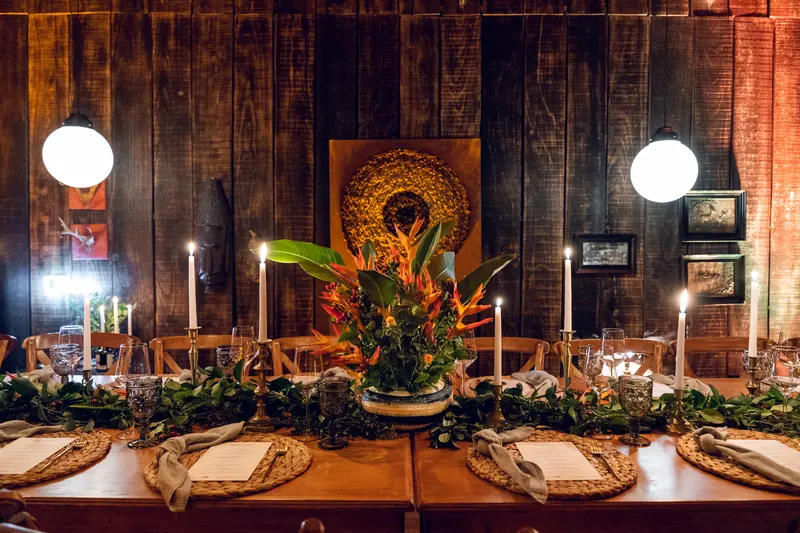
All three experiences are private, start from four travellers and need at least 48 hours' notice. We tailor menus and dietary restrictions to your group, so mention any allergies or preferences when you send your request.
Practical tips for eating in Bogotá
- Make lunch your main meal. Locals eat their biggest meal between noon and 2 pm, and that is when traditional dishes such as ajiaco are easiest to find.
- Go easy on your first day. At 2,640 metres, heavy meals can feel heavier than usual. A bowl of soup and plenty of water are a good start.
- Vegetarian? Many traditional dishes contain meat, including ajiaco, which is made with chicken. Cheese breads, arepas, fruit and juices are good meat-free options, and it is worth asking "¿tiene carne?" (does it contain meat?).
- Check the bill for the service charge. Restaurants usually suggest a voluntary service charge, typically 10%, and will ask whether you want to include it.
- Ask where a dish comes from. Colombians are proud of their regional food, and the answer often comes with a recommendation.
Custom itinerary
Design your private Bogotá itinerary
Tell us what you want to experience. We reply within 12h with a tailored proposal.